
MOVING TIPS
Moving in Miami: What to Know Before Moving Day
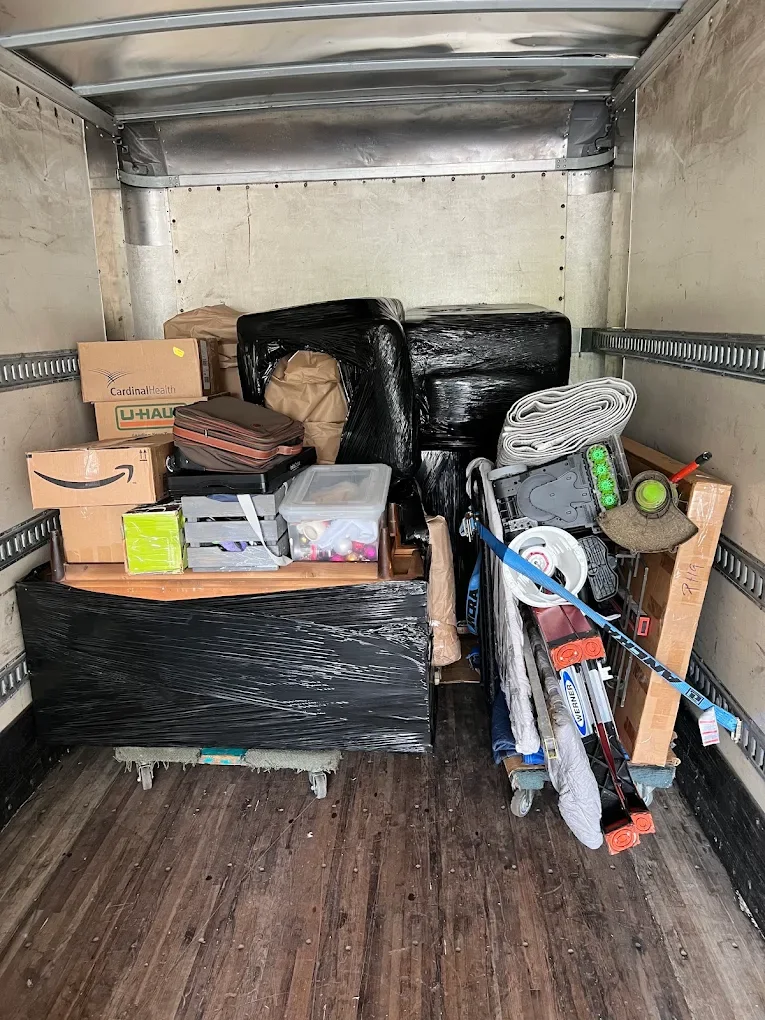
Moving in Miami involves more than packing boxes and picking a date. A service elevator, a tight loading area, an afternoon shower, or a flight of stairs can shape how the day unfolds. Furniture preparation, parking, timing, and specialty items deserve a place in the plan, too.
The most useful preparation starts with both properties. Think through how belongings will leave your current home and enter the next one. Individual buildings and communities may have their own rules, so a smooth move at one address does not tell you what another will require.
This guide covers the details worth checking before moving day, along with a checklist you can work through at your own pace. Whether you are changing neighborhoods or moving farther across Florida, sharing accurate information early helps Heat Movers understand the work ahead.
Check Your Building’s Moving Requirements Early
If you live in an apartment, condo, managed building, or community with controlled access, contact management before settling on the moving schedule. Do the same at your destination. Having keys to your new place does not necessarily mean its elevator or loading area is available whenever you arrive.
Ask management these questions and keep the answers together:
- Is a move reservation required?
- Is there a service elevator, and does it need to be reserved?
- Is there a designated loading area?
- Where can the moving truck park?
- Are there permitted moving hours?
- Does management require documents from the moving company?
- Are there procedures for protecting hallways, elevators, or other common areas?
Requirements vary by property. If documents are requested, send Heat Movers the building’s actual instructions and submission deadline. Ask management who confirms approval, and check that both your pickup and delivery reservations fit the proposed schedule. A request that has been submitted may still be waiting for confirmation.
Think About Truck Access Before Moving Day
Walk the route from the likely truck position to your front door. Notice gates, narrow streets, low clearances, loading docks, stairs, and changes in level. At an apartment complex, the closest entrance may not be the entrance movers are allowed to use. A loading zone may also have restrictions that need clarification.
Tell Heat Movers about the distance between the truck and the entrance, including a long hallway or a walk across a courtyard. If you do not know the distance, describe it plainly or share a photo. Mention whether an elevator is shared with residents, whether a loading dock requires check-in, and who can open a gate.
These details help the team understand carrying routes, equipment needs, and timing before arrival. They also make the conversation about your estimate more useful. For an apartment or condo move, access planning is especially important. Even a short local move within Miami can involve very different conditions at its two addresses.
Prepare for Miami Heat and Rain
Check the forecast as moving day approaches and again that morning. Leave room in the plan for unexpected rain, and discuss any weather concerns with the team. If conditions affect safe access, communicate about the schedule instead of assuming everything can proceed exactly as planned.
Keep important documents in a closed, water-resistant folder or bag that travels with you. Avoid leaving electronics, delicate belongings, or open boxes exposed while waiting for the next step. Identify a sheltered place for items that need to be staged, without blocking doors or shared walkways.
Have water available and keep the route through your home clear. Point out slippery surfaces or places where rain collects. It helps to know where an umbrella, a dry towel, and your essentials bag are packed, rather than searching through sealed boxes. “It’s way too hot, let us move you.” The slogan fits Miami, but a little preparation still helps everyone get started.
Prepare Furniture Before the Movers Arrive
Clear tabletops, shelves, and furniture surfaces so small objects do not get overlooked. Gather loose parts and identify furniture with delicate finishes, glass panels, loose joints, or existing damage. Let the team know which pieces need particular attention before anything is lifted.
Discuss disassembly in advance. Beds, large tables, and some shelving may need preparation, but do not assume every piece comes apart or that the same approach suits every design. If you disassemble an item yourself, label its hardware and keep it together in a clearly identified bag. Photograph the arrangement if that will help you put it back together.
Measure unusually large furniture and the relevant doorways, turns, or elevator openings where appropriate. Share the measurements rather than forcing a piece through a tight opening. Keep especially sensitive belongings separate until their handling has been discussed.
Moving blankets, stretch wrap, dollies, hand trucks, and tie-down straps may each have a role in protecting or handling a load. The right approach depends on the item and the move. Confirm the materials and preparation included in your arrangements. If you need help getting belongings ready, discuss packing and unpacking services before moving day.
Label Your Boxes Clearly
Use a simple format that someone can read without opening the box:
ROOM — CONTENTS — FRAGILE
Example: KITCHEN — GLASSWARE — FRAGILE
Write the destination room on the top and at least one side so the label remains visible when boxes are stacked. Use the same room names throughout. “Front bedroom” is more useful than “my room” if the people unloading have never seen the home.
A fragile label communicates a handling need; the contents still need suitable packing. Keep boxes closed and avoid packing them so heavily that they become difficult to handle. At delivery, explain your room labels and point out where larger furniture should go. Clear labels help with unloading and reduce the number of boxes you need to move again after the crew leaves.
Keep Important Items With You
Prepare an essentials bag before the final packing rush. Keep identification, medications, keys, wallets, phones, chargers, important documents, and small irreplaceable valuables somewhere clearly separate from the moving inventory. Tell anyone helping you pack that this bag is staying with you.
Include the practical things you will want while the rest of your belongings are in boxes: destination details, building contacts, a change of clothes, and whatever you need for the first evening. Think about how you will access the new property, too. A gate remote or a key packed inside a sealed box is inconvenient when everyone is waiting at the entrance.
Choose a specific place for these items and check it before you leave. Keeping essentials close gives you access to them throughout the move without interrupting unloading to search for a particular carton.
Tell Your Movers About Specialty Items Ahead of Time
Mention pianos, artwork, antiques, unusually heavy furniture, fragile pieces, and oversized items when you first discuss your move. “One extra item” can mean very different things depending on its size, weight, construction, and route out of the property.
Useful information includes the item’s type, approximate dimensions, any known handling concerns, and whether stairs or tight turns are involved. Photos of the item and its access route can help the conversation. For a piano, identify the type and describe the pickup and delivery access rather than assuming all pianos can be handled in the same way.
Advance notice helps Heat Movers review the scope and discuss appropriate arrangements. It does not replace confirming whether a particular request can be accommodated. Start with the piano and specialty moving page, then share the details that make your item different.
A Simple Miami Moving Checklist
Use this checklist to pull your plan together. If someone else is helping coordinate the move, share the same details so everyone is working from the latest information.
Before moving day
- Confirm the moving date, arrival details, and best contact number.
- Confirm pickup building access and management instructions.
- Reserve elevators and loading areas if required, and confirm approval.
- Finish packing the items you agreed to pack yourself.
- Label boxes by destination room and contents.
- Identify specialty items and discuss their handling in advance.
- Confirm destination access, including gates, stairs, and parking.
- Keep important belongings and your essentials bag separate.
On moving day
- Keep important documents and valuables with you.
- Keep walkways clear and point out access concerns.
- Have the destination address and entry information available.
- Perform a final walkthrough before leaving the property.
During that walkthrough, check closets, cabinets, balconies, storage spaces, and the areas behind open doors. Confirm which belongings are meant to stay. At the destination, take a moment to explain room names and furniture placement before unloading gets underway.
Moving Somewhere Else in Florida?
Heat Movers also handles long-distance moves within Florida. The same preparation applies, with extra attention to timing at both ends. Discuss your route, delivery window, property access, and any deadlines before you finalize the arrangements.
A longer drive can make coordination with building management particularly important. Avoid assuming that a pickup time guarantees a specific arrival time at the next property. Share access windows and ask how they fit the moving plan. Keep keys, contact details, and essentials with you for the journey.
You can review the Heat Movers service areas for local coverage in Miami-Dade and Broward and moving destinations throughout Florida.
Planning a Move in Miami?
Giving your movers the right information ahead of time can make planning much easier. Tell Heat Movers where you are moving, your preferred date, property type, and any access or specialty-item details so the team can better understand your move.
You do not need every answer before starting the conversation. Share what you know, flag anything you are still confirming, and update the team when building arrangements change. A clear plan gives you a useful place to start.